
⚕️ Let's cure cancer
Biomedical breakthroughs highlight the extraordinary Up Wing benefits from scientific investment. Healthcare megaprojects really pay off in economic welfare and lives


My fellow pro-growth/progress/abundance Up Wingers in the USA and around the world:
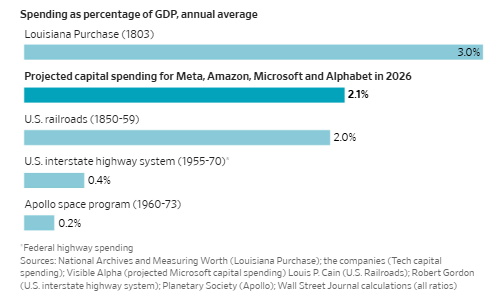
By any measure, Project Apollo was a national megaproject. America’s successful lunar program cost more than $300 billion in today’s dollars—employing nearly half a million workers at peak—before its finale with the splashdown of Apollo 17 in December 1972.
When public and presidential enthusiasm for expensive manned space-exploration reached its expiration date, you might reasonably have expected Washington to redirect resources toward some other massive, mission-driven effort. If a Moon base or nuclear-powered trip to Mars were out, how about converting the US economy to nuclear power as France did, or building a coast-to-coast, high-speed rail system? Maybe combining space with energy by constructing a space-based solar installation? (Never too late for that one, given the massive decline in orbital launch costs.)
Had the 1980s Strategic Defense Initiative been both feasible and followed through, that would certainly have qualified—that, given an estimated half-trillion or even full trillion-dollar price tag.
A healthcare moonshot
Instead, the US arguably attempted no hard-asset megaproject comparable to Apollo with a specific goal until (possibly) the $100 billion Artemis lunar program and (certainly) the ongoing AI infrastructure buildout—albeit a private effort—which now exceeds the cost of the American railroad system as a share of GDP.
But a fixation on rockets, roads, and buildings makes it easy to miss a legitimate megaproject that has cost at least $500 billion: The War on Cancer, announced by President Richard Nixon in 1971.
The return on investment has been substantial—and no doubt underappreciated.
